Baltic offshore wind market entry: a checklist before you spend on due diligence
TL;DR: Early offshore wind market entry gets expensive when teams rush from market interest to site diligence. In Pelergy's Baltic project work, the useful sequence was tighter: screen the market, narrow the geography, test the opportunity on the ground, then prepare due diligence. That process helped establish a 500MW pipeline of opportunities and made later non-binding offer work more defensible.
Why this matters
Developers and utilities can lose months in a new market by starting with the wrong question. The first question is rarely which site looks most attractive on paper. It is whether the market screen is strong enough to justify spending time on live opportunities.
Pelergy has seen this in Baltic market-entry work for major utility clients. The value did not come from collecting a long list of possibilities. It came from reducing uncertainty in the right order so the next diligence step was worth the budget.
What Pelergy saw in Baltic pipeline building
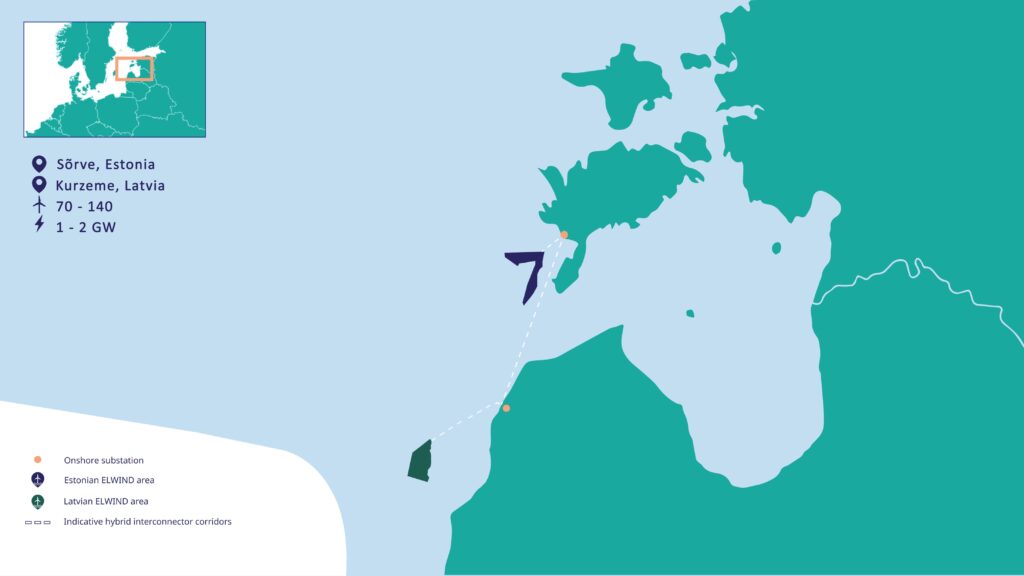
In one Baltic market-entry programme, Pelergy supported a major utility with early entry into Lithuania and the wider Baltic region. The work combined market review, regional scoping, and structured site visits. The result was a 500MW pipeline of project opportunities and support for due diligence around potential non-binding offers.
In a follow-on phase, the task shifted from broad opportunity scanning to due diligence preparation. That meant turning a promising pipeline into a practical work plan: which assets were credible, what evidence was still missing, and where management time should go first.
A related Latvia assignment for RWE sharpened the same lesson. Pelergy built a geospatial intelligence package that went beyond standard maritime spatial planning layers, so early site screening could reflect the practical realities that usually appear later in diligence.
The checklist before you spend on diligence
1. Check whether the market has moved beyond headline potential
A market can look attractive in strategy slides and still be too early for active pipeline work. Start by checking whether there is enough policy, route-to-market, and developer momentum to justify focused effort.
2. Narrow the geography before you narrow the asset list
Country-level interest is too broad. Useful screening gets specific fast: permitting context, site constraints, logistics, grid, and local delivery conditions. The Latvia geospatial work mattered because it turned a generic market question into a site-selection question.
3. Use site visits to test assumptions
Pelergy's Baltic work used early visits as a decision tool. The aim was to pressure-test what desk research suggested, identify missing evidence, and improve the quality of later due-diligence planning.
4. Decide what needs full diligence and what only needs monitoring
A 500MW opportunity pipeline is only useful if it is prioritised. Some opportunities deserve technical and commercial diligence now. Others belong on a watchlist until market conditions, stakeholder positions, or site evidence improve.
5. Build the diligence plan before the offer discussion starts
The follow-on Baltic work showed why this matters. Once an asset looks credible, the next bottleneck is usually coordination: who needs to review what, which gaps are material, and what sequence will produce a defensible non-binding position.
Implications for developers and utilities
The practical lesson is simple: market entry and due diligence should be staged, not blended together. If the early market screen is weak, teams waste senior time on opportunities that never become actionable. If the screen is disciplined, the diligence budget goes further.
That is also where Pelergy's evidence-screening approach matters commercially. The same logic behind the Wind Energy Technology Database applies here: reduce noise, rank evidence, and make the next decision easier to defend. We used a similar discipline in our recent piece on the pilot shortlist checklist for offshore wind innovation teams.
Constraints and trade-offs
This process does not remove judgment. Early markets still involve policy uncertainty, incomplete data, and fast-changing stakeholder positions. A tight screen will not tell a developer whether to back a market in strategic terms. It will show whether the next diligence pound is likely to buy clarity or rework.
That matters more now because Baltic offshore wind is moving from exploratory interest toward harder execution questions. The teams that build a defensible evidence trail early will have a cleaner path into bidding, partnerships, and investment decisions.
Conclusion
Pelergy's Baltic market-entry work shows that useful pipeline building is really a sequencing problem. Screen the market properly, tighten the geography, test assumptions on the ground, and then launch diligence where the evidence justifies it.
If your team is assessing a new offshore wind market, Pelergy can help structure the market-entry screen, geospatial review, and due-diligence plan before cost and momentum drift apart.
Image credit: Pelergy. Source: Pelergy.